
 Image 1 of 2
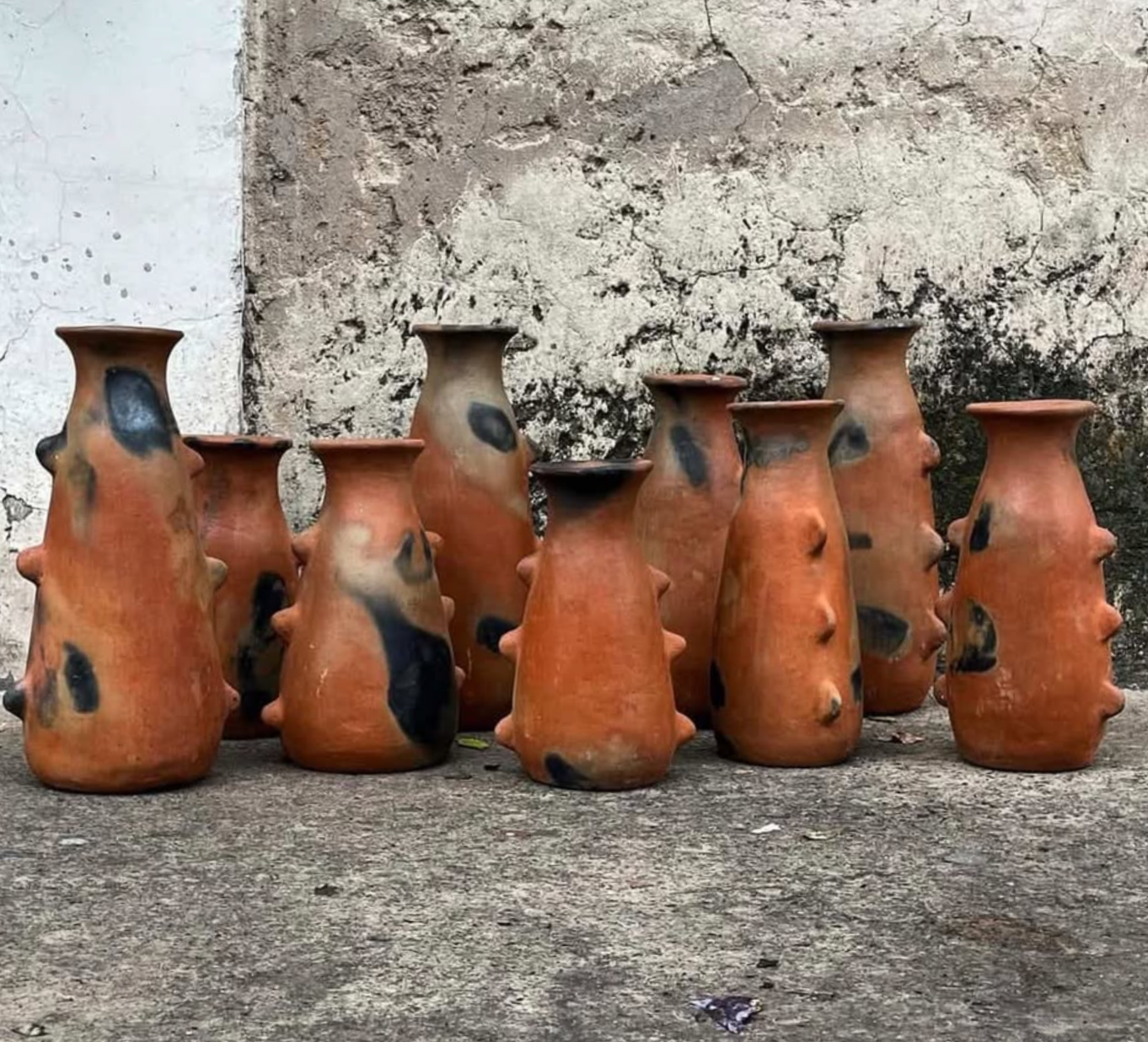 Image 2 of 2
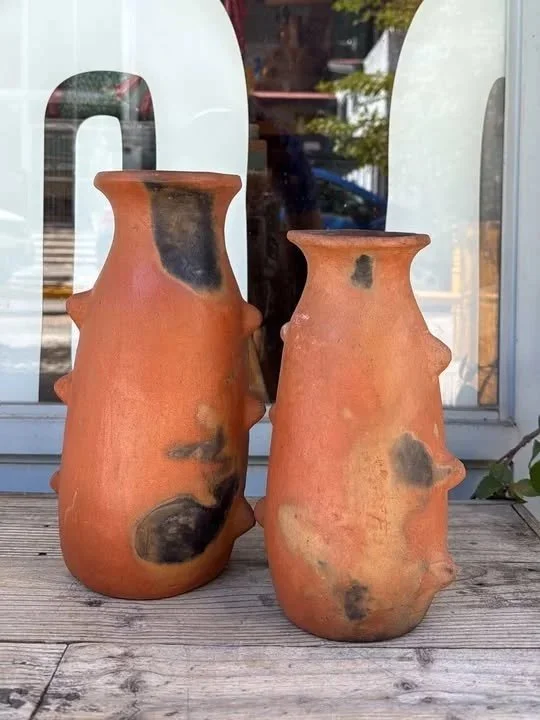
El barro rojo de Oaxaca, reconocido por su tradición ancestral, tiene su centro de producción principal en San Marcos Tlapazola
. Es elaborado por mujeres zapotecas mediante técnicas manuales, sin torno, y se distingue por su color rojo natural, obtenido de arcillas locales extraídas de las montañas y pulido con jícara. La quema es a cielo abierto (o en fosa), caracterizada por durar alrededor de una hora, donde el fuego se alimenta constantemente.
————————
The red clay of Oaxaca, recognized for its ancestral tradition, has its main production center in San Marcos Tlapazola.
It is made by Zapotec women using manual techniques, without a potter’s wheel, and is distinguished by its natural red color, obtained from local clays extracted from the mountains and polished with a gourd. The firing is done in the open air (or in a pit), typically lasting about an hour, during which the fire is constantly fed.
El barro rojo de Oaxaca, reconocido por su tradición ancestral, tiene su centro de producción principal en San Marcos Tlapazola
. Es elaborado por mujeres zapotecas mediante técnicas manuales, sin torno, y se distingue por su color rojo natural, obtenido de arcillas locales extraídas de las montañas y pulido con jícara. La quema es a cielo abierto (o en fosa), caracterizada por durar alrededor de una hora, donde el fuego se alimenta constantemente.
————————
The red clay of Oaxaca, recognized for its ancestral tradition, has its main production center in San Marcos Tlapazola.
It is made by Zapotec women using manual techniques, without a potter’s wheel, and is distinguished by its natural red color, obtained from local clays extracted from the mountains and polished with a gourd. The firing is done in the open air (or in a pit), typically lasting about an hour, during which the fire is constantly fed.